The Biology of Death
Atonal (Agonal) Breathing
Atonal (Agonal) Breathing
Atonal (Agonal) Breathing

The Brain’s Final Patterns


The Gift of Awareness
The Gift of Awareness
The Gift of Awareness

Brain Chemistry’s Final Light

Atonal (Agonal) Breathing
The Brain’s Final Patterns
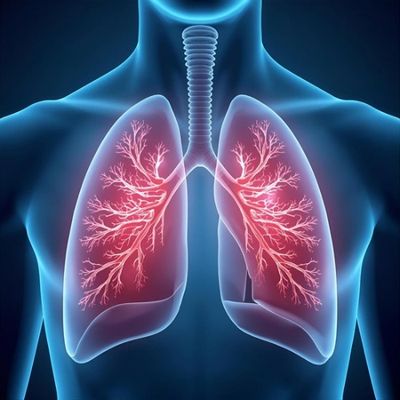
In the final hours, breathing often becomes irregular. This is known as agonal breathing—with pauses, gasps, or rattling sounds. It occurs because the brainstem, which controls breathing, is shutting down. The muscles of the chest and throat no longer work in perfect rhythm, and reflexes that clear the throat are weakened, allowing mucus or saliva to collect.
While these sounds can feel alarming, studies show the dying person is not usually aware of them. The brain’s perception of discomfort has already shifted. Comfort comes not from medical intervention, but from small acts: raising the head with pillows, using a fan for air circulation, and maintaining a calm environment.
Experience has shown that the use of a fan directed the one side of the face when a dying person enters atonal breathing can decrease the feeling of breathlessness that a person may experience if they are ”awake”. Many studies* suggest that directing airflow to areas of the face innervated by the trigeminal nerve leads to the perception of relief.
The Death Reach
A Neurological Release
Many people near death reach upward, extend their arms, or move their hands as if greeting someone unseen. Biologically, this happens because oxygen levels are falling and the nervous system sends out uncoordinated signals to the muscles. The gestures can seem random, but to families they often feel meaningful, even sacred.
Science explains the how, but our hearts interpret the why. Whether we see it as a neurological release or a spiritual reaching, what matters is to respond with gentleness. Hold their hand, speak softly, or simply allow the gestures to unfold without trying to stop them.
Our bodies came with pre-programmed instructions on how to shut down and prepare for death. It does so in a predictable manner with the death reach being one of them. Experiencing this while sitting with a dying person can be a magical time, however it can also be confusing. We tend to fear that the dying one is experiencing distress and want to support them. The best way to support them Is to stay clam and present, offer gentle physical contact, softly speak and reassure, adjust the environment (temperature, noise, lighting) and honour spiritual or cultural meaning.

Fading Thirst
The Kidneys and Fluids Shift
As the kidneys slow down, the body naturally reduces its need for fluid. The sensation of thirst fades because the brain no longer signals for it, and fluid intake may actually cause discomfort—filling the stomach or lungs instead of providing relief.
This can be one of the hardest things for families to accept, since offering water feels like an act of love. But at the end of life, the body’s needs are different. What helps most is not cups of water, but comfort: moistening the mouth with swabs, applying balm to the lips, or offering ice chips if safe.

Loss of Appetite
Metabolism Winds Downs
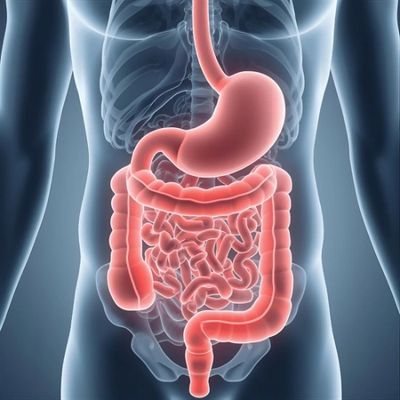
Eating requires energy, and in the final stage of life, the body no longer seeks to create or store energy. Metabolism slows dramatically, and hormones that trigger hunger stop circulating. The stomach and intestines are shutting down, and forcing food may create nausea or discomfort.
The Gift of Awareness
Brain Chemistry’s Final Light
Sometimes, a person who has been unresponsive suddenly becomes alert, speaks, or recognizes loved ones. This is known as terminal lucidity, more commonly known as The Rally. While not fully understood, it may be caused by a brief surge in brain activity, changes in blood flow, or shifts in neurochemistry.
This moment is not recovery or a sign of improvement—it is a gift. Families are invited to use this window to speak what matters most: “I love you, thank you, I forgive you, goodbye.” These moments can remain a treasured memory long after the person has passed.

Open Eyes and Relaxed Jaw
Signs of Deep Peaceful Surrender
In the final stage, families may notice their loved one’s eyes remain open or partially open. This occurs because the eyelid muscles lose tone as the nervous system shuts down, leaving the eyes to rest in whatever position they last held. It does not mean the person is awake or uncomfortable.
The jaw also slackens as the small muscles that hold it in place deeply relax. This open-mouth appearance is a sign of profound release—the body has let go of all tension. Families sometimes gently close the eyes or support the jaw with a soft rolled towel, but these are for the comfort of the living, not the dying. The body itself is at peace.